ما هي أخف النعال صوتًا للشقق العلوية؟
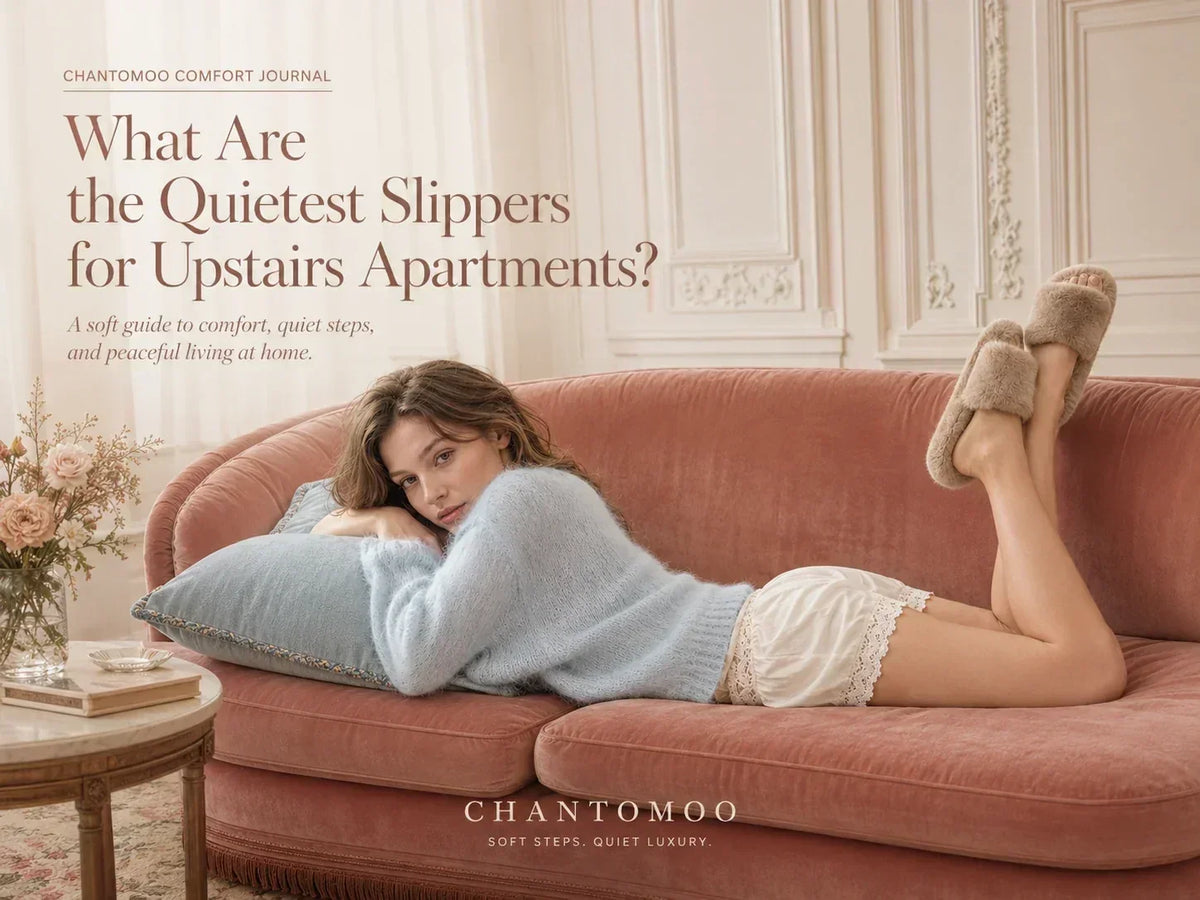


العيش في شقة بالطابق العلوي يغير طريقة تفكيرك في الأصوات العادية.
قد يبدو تحريك كرسي على الأرض، أو الذهاب إلى المطبخ في الصباح الباكر، أو صوت نعال صلبة تدق على البلاط أمرًا طبيعيًا تمامًا داخل منزلك، ولكنه يبدو أعلى بكثير للجار في الطابق السفلي.
هذا يجعل الأحذية مهمة بشكل مدهش. فالنعال المناسبة يمكن أن تخفف كل خطوة، وتقلل الأصوات الحادة، وتساعدك على التحرك في شقتك بقلق أقل.
إذن، ما هي النعال الأكثر هدوءًا للشقق العلوية؟
الخيارات الأكثر هدوءًا عادةً ما تجمع بين نعل خارجي ناعم ومرن، وبنية خفيفة الوزن، ونعل داخلي مبطن، وجزء علوي آمن يمنع النعل من الانزلاق على الكعب أو الأرض. غالبًا ما تكون نعال TPR الرقيقة ونعال EVA الخفيفة الوزن خيارات أفضل للشقق من البلاستيك الصلب، أو الخشب، أو النعال ذات القاعدة الصلبة.
إجابة سريعة
للمعيشة في شقق الطوابق العلوية، ابحث عن نعال ذات نعال مرنة من مادة TPR أو EVA خفيفة الوزن، وبطانة من الميموري فوم، وجزء علوي يثبت القدم بشكل مريح. تجنب النعال الثقيلة والصلبة والنعال الفضفاضة التي تصدر صوتًا على الأرض مع كل خطوة.
هل تفضل رؤية النعال أولاً؟
إذا كنت تعلم بالفعل أن الحركة الهادئة داخل المنزل هي أولويتك، فابدأ بأنماط Chantomoo المقارنة في هذا الدليل.
تستند التوصيات أدناه إلى مادة النعل الخارجي، ومرونته، ووزنه، وبطانته، ومدى إحكام الجزء العلوي على القدم.
وهي لا تستند إلى اختبارات معيارية لمستوى الديسيبل في المختبر. وسيختلف الصوت الفعلي باختلاف أرضياتك، وطريقة مشيك، وحجم النعال، وبنية المبنى، وحالة النعل الخارجي.
الخيار الأكثر هدوءًا ومنخفض الارتفاع
الأفضل لـ: الأرضيات الخشبية، والصفائح، والبلاط، والمكاتب المنزلية، وغرف النوم، وأي شخص يفضل نعالًا داخلية أخف وزنًا.
تستخدم BOWDY Silver نعلًا رفيعًا من مادة TPR مصممًا لإحساس ناعم ومرن. يضيف النعل الداخلي من الميموري فوم عالي الكثافة بطانة لطيفة، بينما يساعد الجزء العلوي المتقاطع في الحفاظ على النعال في مكانها بشكل مريح على القدم.
تعتبر بنيتها المنخفضة نقطة انطلاق قوية لسكان الشقق العلوية الذين يفضلون الحركة الداخلية الهادئة على النعال ذات القاعدة العالية.
تسوق BOWDY Silverالخيار الهادئ المبطن والأنيق
الأفضل لـ: المتسوقين الذين يرغبون في حركة يومية هادئة مع بطانة إضافية، وتصميم أنثوي، ومنصة داعمة.
تجمع HODY بين الميموري فوم عالي الكثافة ونعل EVA خفيف الوزن. تم تصميم النعل ليكون هادئًا ومرنًا، بينما يساعد الجزء العلوي الناعم المتقاطع في تثبيت القدم دون خلق شعور بالتقييد.
توفر المنصة التي يبلغ ارتفاعها 1.38 بوصة رفعًا أكبر من BOWDY، مما يجعل HODY خيارًا عمليًا للأشخاص الذين يرغبون في البطانة والأناقة المرئية مع تجنب النعل الخارجي الثقيل والصلب.
تسوق نعال HODY Bowknotخيار الشقق القابل للتهوية
الأفضل لـ: الشقق الدافئة، والارتداء الصيفي، والمكاتب المنزلية، والباحات المغطاة، والمتسوقين الذين يفضلون جزءًا علويًا منسوجًا قابلًا للتهوية.
تم تصميم النعل الخارجي الخفيف الوزن من EVA ليتحرك بهدوء على الأسطح الداخلية الشائعة، بما في ذلك الأرضيات الخشبية والبلاط والسجاد. يساعد شريطان عريضان في توفير تثبيت آمن ومريح.
كما أن التصميم المنسوج المفتوح من الأمام يجعل النعال أخف وزنًا وأكثر تهوية للارتداء طوال اليوم في الشقة.
تسوق نعال Natural Weaveخيار الراحة الفاخرة الهادئة
الأفضل لـ: الأرضيات الباردة، والليالي المريحة، والراحة الشتوية الفاخرة، والروتين الهادئ من غرفة النوم إلى غرفة المعيشة.
تجمع Hush بين جزء علوي من الفرو الصناعي، وميموري فوم عالي الكثافة، ونعل خارجي خفيف الوزن من EVA مصمم ليكون هادئًا ومرنًا وسهل الحركة.
يوفر هذا النمط شعورًا أكثر دفئًا وامتلاءً من BOWDY أو Natural Weave مع الحفاظ على النعل الخارجي أخف وزنًا من حذاء المنزل التقليدي ذو القاعدة الصلبة.
تسوق نعال Hush| أولويتك | النمط الموصى به | السبب الرئيسي |
|---|---|---|
| أقل ارتفاع وإحساس هادئ | BOWDY Silver | نعل TPR رفيع ومرن. |
| الهدوء مع بطانة إضافية | HODY Bowknot | ميموري فوم مع EVA خفيف الوزن. |
| ارتداء الشقق في الطقس الدافئ | Natural Weave | جزء علوي قابل للتهوية ونعل خفيف الوزن وهادئ. |
| راحة دافئة وفاخرة | Hush | فرو صناعي، ميموري فوم، وبنية EVA هادئة. |
راحة المنزل الهادئة من Chantomoo
اكتشف نعال Chantomoo الناعمة والخفيفة الوزن المصممة للتحرك بشكل مريح خلال الصباح الهادئ وساعات العمل من المنزل والمساء المتأخرة في الطوابق العلوية.
تسوق نعال Chantomooضوضاء خطوات الأقدام هي شكل من أشكال الضوضاء الناتجة عن الصدمات. فعندما تضرب قدمك الأرض، ينتقل جزء من هذه الطاقة عبر الأرضية وهيكل المبنى بدلاً من أن يبقى داخل غرفتك فقط.
تميل الأسطح الصلبة مثل الأرضيات الصفائحية، والبلاط، والخشب الصلب، والخرسانة العارية إلى جعل هذا الاتصال أكثر وضوحًا. وقد يكون الصوت واضحًا بشكل خاص خلال الصباح الهادئ، أو المساء المتأخر، أو في المباني ذات العزل المحدود بين الطوابق.
يمكن أن تصبح ضوضاء خطوات الأقدام أكثر وضوحًا عندما:
لا تستطيع النعال عزل الشقة بالكامل عن الصوت. ومع ذلك، فإن اختيار الأحذية الأكثر نعومة يمكن أن يزيل بعض أصوات الدق والضرب الحادة التي تسببها الأحذية الأكثر صلابة.
لا يُحدد النعال الهادئ بميزة واحدة فقط. فمادة النعل، وسماكته، ومرونته، ووزنه، وبطانته، ومقاسه، كل ذلك يؤثر على صوت كل خطوة.
| الميزة | لماذا هي مهمة | ما الذي يجب البحث عنه |
|---|---|---|
| نعل خارجي ناعم | يمكن للاتصال الأكثر نعومة أن يقلل من أصوات الدق الحادة على الأرضيات الصلبة. | TPR مرن أو EVA خفيف الوزن. |
| وزن خفيف | يهبط النعال الأخف وزنًا عمومًا بقوة أقل من الحذاء الصلب الثقيل. | بنية رغوية خفيفة الوزن بدون كتلة خشبية كثيفة أو مطاطية. |
| نعل داخلي مبطن | تخفف البطانة من شعور كعب القدم عند المشي العادي. | ميموري فوم أو بطانة متعددة الطبقات. |
| نعل مرن | من غير المرجح أن يضرب النعل الذي ينثني مع القدم الأرض ككتلة صلبة واحدة. | نعل ينثني بسلاسة عبر مقدمة القدم. |
| جزء علوي آمن | التثبيت الأفضل يقلل من ضرب الكعب وجره. | أحزمة متقاطعة، أو أحزمة مزدوجة، أو أجزاء علوية قابلة للتعديل. |
| نعل خارجي نظيف | قد يخلق الغبار والجزيئات الصغيرة صريرًا على الأرضيات الملساء. | نعل خارجي يمكن مسحه أو غسله وفقًا لتعليمات العناية به. |
شاهد هذه الميزات في Chantomoo
هل ترغب في مقارنة الأنماط الفعلية بينما لا تزال الميزات حاضرة في ذهنك؟ BOWDY هو خيار TPR المنخفض الارتفاع، بينما تستخدم HODY و Natural Weave و Hush مادة EVA خفيفة الوزن في اتجاهات راحة مختلفة.
يمكن للمطاط اللدن الحراري (TPR) أن يخلق شعوراً ناعماً ومرناً تحت القدم عند استخدامه في نعل خف داخلي رقيق.
نعل TPR الرقيق هو خيار قوي للأشخاص الذين يرغبون في خطوات خفيفة ومرونة بدلاً من منصة عالية ومنظمة. كما يمكن أن يوفر حماية أكبر للأرضية وقبضة أفضل من مجرد ارتداء الجوارب وحدها.
يستخدم EVA على نطاق واسع في النعال المبطنة لأنه خفيف الوزن ومرن. يمكن للنعل الخارجي المصمم جيداً من EVA أن يتحرك بهدوء عبر الأرضيات الداخلية الشائعة دون أن يجعل الخف يبدو ثقيلاً.
ومع ذلك، لا تبدو جميع نعال EVA متشابهة. عادة ما يكون هيكل EVA الأكثر نعومة وخفة أكثر هدوءاً من المنصة السميكة جداً أو الكثيفة أو الصلبة.
يمكن أن تكون النعال المنزلية ذات القاعدة القماشية هادئة للغاية على الأرضيات الجافة، ولكنها قد توفر بنية ومتانة وقبضة أقل من TPR أو EVA.
إنها الأنسب لغرف النوم المفروشة بالسجاد أو المناطق الداخلية ذات الحركة المرورية المنخفضة بدلاً من المطابخ والمداخل والشرفات أو الأسطح التي قد تتواجد فيها الرطوبة.
أفضل للخطوات الهادئة
أكثر عرضة لإصدار ضوضاء عالية
عادة ما يقلل النعل الأكثر نعومة من أصوات الاصطدام الحادة، ولكن النعومة وحدها لا تضمن المشي الهادئ.
يمكن للخف الناعم الفضفاض جداً أن يصدر صوتاً مزعجاً. كما أن الخف ذو القاعدة القماشية قد يشجع على السحب إذا لم يكن مناسباً بإحكام.
بالنسبة للعيش في الشقق، عادة ما يكون التوازن الأفضل هو النعل الخارجي الناعم مع بنية كافية للحفاظ على الخف متوازناً تحت القدم.
يمكن أن يساعد الإسفنج الذكي في تخفيف الشعور بكل خطوة، خاصة تحت الكعب ومقدمة القدم. وقد يقلل بعض التأثير المنقول من القدم إلى النعل الخارجي.
ومع ذلك، لا يزال النعل الخارجي يلامس الأرض مباشرة. قد يصدر خف الإسفنج الذكي ذو القاعدة الصلبة صوتاً أعلى من خف مبطن بشكل معتدل بنعل خارجي أكثر نعومة ومرونة.
للحصول على أحذية شقق أكثر هدوءاً، قم بتقييم بطانة القدم والنعل الخارجي معاً بدلاً من الاختيار بناءً على التبطين وحده.
نعم. يمكن أن يتحرك خف المنصة بهدوء عندما يكون النعل مصنوعاً من EVA خفيف الوزن ومرن بدلاً من المطاط الكثيف أو الخشب أو البلاستيك الصلب.
يعتمد الصوت أيضاً على طريقة مشيك. قد تبدو المنصة المبطنة التي تبقى ثابتة مع القدم أهدأ من خف رفيع يضرب الكعب بشكل متكرر.
لأقصى قدر من الهدوء، عادة ما يكون النعل المرن المنخفض الارتفاع هو نقطة البداية الأكثر أماناً. بالنسبة للمتسوقين الذين يرغبون أيضاً في تبطين إضافي أو مظهر مرتفع، يمكن أن توفر منصة EVA خفيفة الوزن حلاً وسطاً عملياً.
هل تريد خيار المنصة المبطنة؟ اطلع على HODY Bowknot، نمط Chantomoo في هذا الدليل الذي يجمع بين منصة EVA خفيفة الوزن مع بطانة الإسفنج الذكي.
لا تحتاج إلى معدات صوت احترافية لتحديد زوج مزعج بوضوح. يمكن أن يكشف فحص منزلي بسيط عن أصوات النقر، الصفع، الصرير، أو السحب.
قد تصدر الجوارب صوتاً أقل تأثيراً من معظم النعال، لكنها لا توفر نفس التبطين، أو حماية الأرضية، أو الدفء، أو قبضة النعل الخارجي.
على البلاط الأملس أو الخشب المصقول، قد تبدو الجوارب العادية أقل ثباتاً أيضاً. يمكن للنعال ذات النعل الناعم أن توفر حلاً وسطاً مفيداً بين الحركة الهادئة والاحتكاك العملي اليومي.
اختر الخيار الذي تشعر أنه ثابت على أرضيتك، خاصة بالقرب من السلالم والمطابخ والحمامات ومداخل الشقق.
تبحث عن الخيارات ذات الشعور الأخف في هذا الدليل؟
قارن بين BOWDY الفضي لنعل TPR رقيق ومرن أو Natural Weave لجزء علوي مسامي مع EVA خفيف الوزن.
حتى النعال الأكثر هدوءاً تعمل بشكل أفضل عند دمجها مع بعض العادات البسيطة في الشقة.
إذا كانت أصوات المشي العادية عالية بشكل غير معتاد في الطابق السفلي، فقد يكون المبنى ذو عزل أرضي محدود أو أرضيات صلبة بدون بطانة مناسبة. يمكن للنعال والسجاد أن يساعدا، لكنهما لا يمكنهما استبدال المعالجة الصوتية الصحيحة بالكامل.
كن حذراً من النعال التي تحتوي على:
هل أنت مستعد لمقارنة الأنماط الفعلية؟
لقد رأيت بالفعل ما يجعل الخف أكثر هدوءاً. قارن الآن خيارات Chantomoo الأربعة المعروضة في هذا الدليل واختر الشعور الذي يناسب شقتك بشكل أفضل.
عادة ما تكون النعال الأكثر هدوءاً للشقق العلوية خفيفة الوزن، ومرنة، ومبطنة، ومحكمة بما يكفي للتحرك مع القدم.
تعتبر نعال TPR الرقيقة خياراً قوياً لشعور ناعم ومنخفض الارتفاع. توفر نعال EVA خفيفة الوزن توازناً مفيداً بين التبطين، والمتانة، والحركة اليومية الهادئة. يمكن أن يخفف الإسفنج الذكي كل خطوة، ولكن المادة التي تلامس الأرض تظل بنفس الأهمية.
بالنسبة للمتسوقين من Chantomoo، يعتبر BOWDY الفضي هو الاتجاه الأقوى منخفض الارتفاع، ويوفر HODY المزيد من التبطين والأناقة، ويوفر Natural Weave راحة مسامية للشقة، ويضيف Hush دفئاً فخماً مع نعل خارجي خفيف الوزن وهادئ.
زوج النعال المناسب مع السجاد، والأرضيات النظيفة، والخطوات المتحكمة، ويمكن أن يكون العيش في الطابق العلوي أكثر نعومة لك وأكثر هدوءاً للجار أدناه.
النعال ذات نعال TPR الرقيقة المرنة أو نعال EVA خفيفة الوزن عادة ما تكون خيارات قوية. ابحث عن تبطين ناعم وجزء علوي يمنع الخف من صفع الكعب.
يعتمد ذلك على نوع المطاط والبناء. يمكن لـ TPR الرقيق المرن أن يشعر بالنعومة والهدوء، بينما قد يصدر النعل المطاطي السميك أو الصلب أو المجوف المزيد من أصوات النقر أو الصرير.
يمكن أن يخفف الإسفنج الذكي الشعور بكل خطوة، لكن النعل الخارجي لا يزال يحدد كيفية تلامس الخف مع الأرض. تجمع التصاميم الأكثر هدوءاً بين التبطين والنعل الناعم والمرن.
ليس دائماً. يمكن لمنصة EVA خفيفة الوزن أن تظل هادئة ومرنة. المنصات الكثيفة، الصلبة، الخشبية، أو الثقيلة أكثر عرضة لإحداث صوت مدوٍ ملحوظ.
قد يأتي الصرير من الغبار، أو الرطوبة، أو مادة النعل الخارجي، أو الاحتكاك أثناء الدوران. نظف النعل الخارجي وجففه وفقاً لتعليمات العناية واختبر النعال مرة أخرى على أرضية جافة.
قد تظل القدمان الحافيتان تحدثان تأثير الكعب على الأرضيات الصلبة. يمكن للنعال المبطنة الناعمة أن تساعد في تخفيف التلامس مع توفير الدفء وسطح مشي أكثر عملية.
BOWDY الفضي هو خيار قوي منخفض الارتفاع بسبب نعله TPR الرقيق المرن. يوفر HODY EVA خفيف الوزن وهادئ مع المزيد من التبطين، بينما يوفر Natural Weave جزء علوي مسامي ونعل مصمم للتحرك بهدوء عبر الأسطح الداخلية الشائعة.
نعم. يمكن للسجاد والبطانة السفلية الناعمة أن تساعد في تقليل ضوضاء الاصطدام على الأرضيات الصلبة، خاصة في الممرات، وغرف النوم، والمناطق الأخرى كثيرة الاستخدام.
نظرًا لأن النساء قد يكنّ أكثر عرضة للكسور الناتجة عن الإجهاد، فإن اختيار النعال المناسبة ليس مجرد مسألة راحة. ينبغي أن يوفر زوج النعال الجيد توسيدًا لخطواتك، ويدعم قدميك، ويساعد على جعل الحركة اليومية في المنزل أسهل على جسدك


